

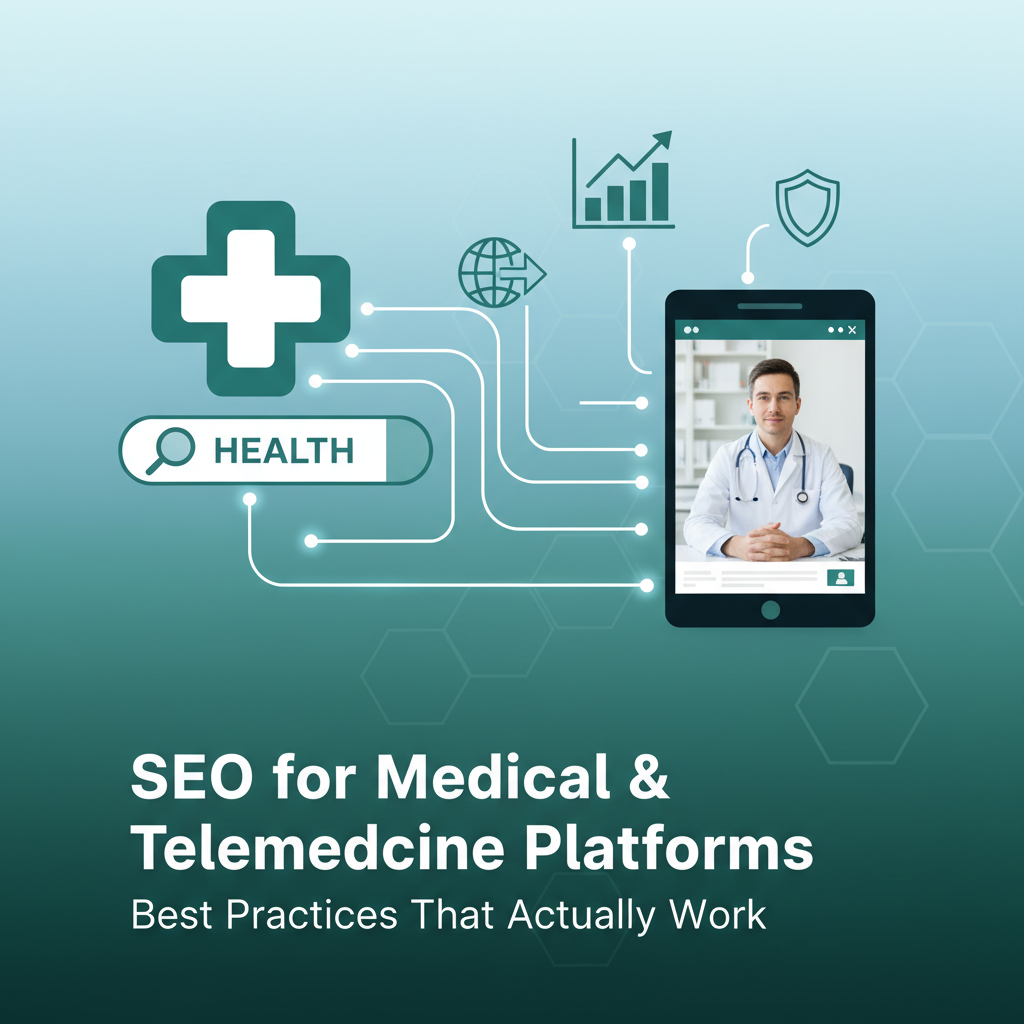
SEO for Medical & Telemedicine Platforms: Best Practices That Actually Work
In today’s digital age, a strong online presence is no longer optional for medical and telemedicine platforms – it’s absolutely essential. Patients are increasingly turning to the internet to research symptoms, find healthcare providers, and book appointments. To stand out in a crowded digital landscape, robust Search Engine Optimization (SEO) is critical. This guide explores best practices for medical and telemedicine SEO that deliver tangible results.
Why SEO is Crucial for Healthcare Providers
Unlike other industries, healthcare SEO has unique considerations, including patient trust, sensitive information, and strict regulations like HIPAA. Effective SEO helps your platform:
- Increase online visibility and reach more potential patients.
- Build authority and trust with both search engines and users.
- Drive qualified traffic to your website or telemedicine portal.
- Improve patient acquisition and appointment bookings.
- Establish your practice as a leader in your specialty.
1. Master Keyword Research with a Healthcare Focus
Effective SEO begins with understanding what your target patients are searching for. For medical and telemedicine platforms, this means:
- Symptom-Based Keywords: “headache remedies,” “chest pain causes,” “telehealth consultation for flu.”
- Condition-Specific Keywords: “diabetes management near me,” “online therapy for anxiety,” “hypertension telemedicine.”
- Service-Based Keywords: “primary care doctor,” “pediatrician online,” “virtual urgent care.”
- Local Keywords: “cardiologist [city name],” “dermatology clinic [neighborhood],” “telemedicine [state].”
- Long-Tail Keywords: More specific phrases like “how to prepare for a virtual doctor visit” or “best at-home blood pressure monitor reviews.”
Utilize tools like Google Keyword Planner, SEMrush, or Ahrefs to identify high-volume, relevant keywords with manageable competition.
2. Optimize Your On-Page SEO for Clarity and Trust
Once you have your keywords, integrate them naturally into your website’s content and technical elements.
- Title Tags & Meta Descriptions: Craft compelling, keyword-rich titles and descriptions for each page that encourage clicks.
- Header Tags (H1, H2, H3): Structure your content logically using headers. Ensure your H1 is unique and reflects the page’s main topic.
- High-Quality Content: Provide accurate, informative, and easy-to-understand content. Each service page should detail what you offer, conditions treated, and patient benefits.
- Image Optimization: Use descriptive alt text for all images, including relevant keywords, to improve accessibility and search engine understanding.
- Internal Linking: Link related pages within your site to help users navigate and distribute “link juice” across your content.
- Schema Markup (Structured Data): Implement schema markup for medical organizations, doctors, services, and FAQs. This helps search engines understand your content better and can lead to rich snippets in search results.
3. Prioritize Technical SEO for a Seamless Experience
A technically sound website is the foundation of good SEO.
- Mobile-Friendliness: Ensure your website is fully responsive and offers an excellent experience on all devices, especially smartphones, given that many patients access health info on the go.
- Site Speed: Optimize images, leverage browser caching, and consider a Content Delivery Network (CDN) to ensure fast loading times. Patients are unlikely to wait for slow medical sites.
- Secure Website (HTTPS): This is non-negotiable for medical platforms. HTTPS encrypts data, protecting patient privacy and building trust, and it’s a ranking factor for Google.
- XML Sitemap: Submit an XML sitemap to Google Search Console to help search engines efficiently crawl and index your pages.
- Crawlability & Indexability: Ensure search engines can access and index all important pages on your site. Use `robots.txt` effectively.
4. Dominate Local SEO to Attract Nearby Patients
For practices with a physical location or those serving specific geographic areas via telemedicine, local SEO is paramount.
- Google My Business (GMB) Optimization: This is your most powerful local SEO tool.
- Claim and fully optimize your GMB profile with accurate NAP (Name, Address, Phone Number).
- Add high-quality photos, services, and operating hours.
- Respond to all patient reviews promptly and professionally.
- Utilize GMB posts for updates, promotions, and health tips.
- Local Citations: Ensure your NAP information is consistent across all online directories (Yelp, Healthgrades, Zocdoc, etc.).
- Location-Specific Content: Create service pages tailored to specific cities or neighborhoods you serve.
- “Near Me” Optimization: Google often prioritizes businesses for “near me” searches, so ensure your local SEO is robust.
5. Create Authoritative and Engaging Content (E-E-A-T)
Google’s E-E-A-T (Experience, Expertise, Authoritativeness, Trustworthiness) guidelines are especially crucial in the medical field. Your content must demonstrate all four.
- Educational Blog Posts: Address common patient questions, explain conditions, and offer practical health advice.
- Service Pages: Detail each medical service, condition treated, and what patients can expect.
- Doctor Bios & Staff Profiles: Showcase the qualifications, experience, and specialties of your healthcare professionals to build trust.
- Patient Resources: FAQs, patient forms, downloadable guides, and symptom checkers can be invaluable.
- Video Content: Explainer videos, doctor Q&As, and virtual tours can enhance engagement.
- Case Studies/Success Stories: (With patient consent and anonymity) demonstrate successful treatments and positive patient outcomes.
Always back up claims with scientific evidence or links to reputable sources (e.g., NIH, CDC, WHO).
6. Build a Strong Backlink Profile
High-quality backlinks from authoritative and relevant websites signal to search engines that your site is trustworthy and valuable.
- Guest Posting: Contribute articles to other reputable health blogs or medical publications.
- Partnerships: Collaborate with local health organizations, pharmacies, or community wellness programs.
- Resource Pages: Get your site listed on relevant resource pages.
- Broken Link Building: Find broken links on high-authority sites and suggest your content as a replacement.
- Digital PR: Share new research, unique insights, or community involvement with local and industry media.
7. Encourage and Manage Patient Reviews
Online reviews are critical for building trust and improving local SEO rankings. They are essentially digital word-of-mouth.
- Proactive Approach: Encourage satisfied patients to leave reviews on GMB, Healthgrades, Zocdoc, and other relevant platforms.
- Respond to All Reviews: Thank positive reviewers and professionally address negative feedback, offering solutions or inviting further discussion offline.
- Showcase Testimonials: Display positive testimonials on your website.
8. Ensure HIPAA Compliance and Data Privacy
While not a direct ranking factor, failing to comply with HIPAA and other data privacy regulations can severely damage your reputation and lead to legal issues, indirectly impacting your SEO.
- Ensure all patient data collection and storage methods are secure and compliant.
- Clearly state your privacy policy on your website.
- Use secure communication channels for telemedicine consultations.
Conclusion
SEO for medical and telemedicine platforms is a dynamic and ongoing process. It requires a comprehensive strategy that blends technical expertise, content mastery, local optimization, and a deep understanding of patient needs and regulatory requirements. By implementing these best practices, your platform can significantly improve its online visibility, attract more patients, and ultimately enhance the health and well-being of your community.
For more details about digital marketing agencies and web design and development services, you can contact IIS E-Solutions, one of the leading agencies in Lebanon and Detroit, with proven experience in Doha, Qatar, Dubai, UAE, and Jeddah and Riyadh, Saudi Arabia. IIS E-Solutions provides comprehensive digital marketing solutions, including SEO, paid advertising, and professional web design and development services tailored to help businesses grow online.
Phone number: +961 3 707754